
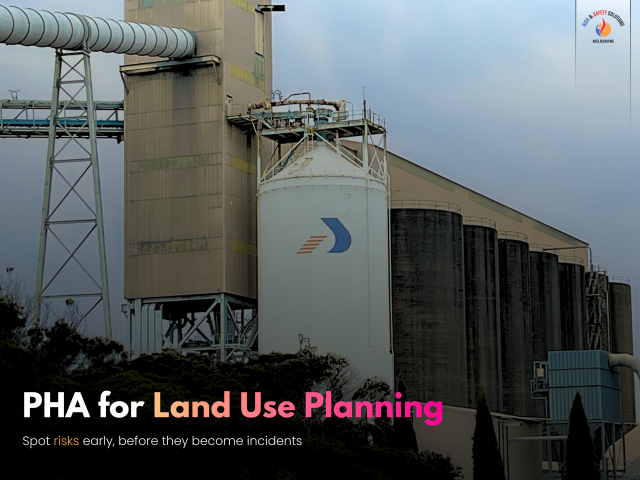
Preliminary Hazard Analysis (PHA) for Planning Decision
Planning a new industrial or hazardous facility involves more than assessing whether the Site can accommodate the proposed operations. It is also important to consider how the facility may interact with the surrounding area, particularly where nearby residents, businesses, schools, infrastructure or other sensitive land uses could be affected by...
Read More
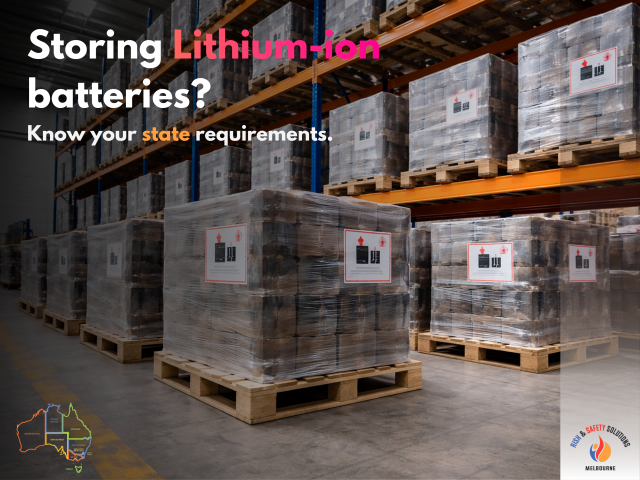
Lithium-Ion Battery Storage Regulations in Australia: State-by-State Guide
Lithium-ion batteries are now stored throughout Australian supply chains, including warehouses, distribution centres, retail outlets, service facilities and recycling operations, and businesses are handling larger quantities than ever before. As Lithium-ion battery storage regulations in Australia vary significantly by state and territory, and businesses need to understand which framework applies...
Read More
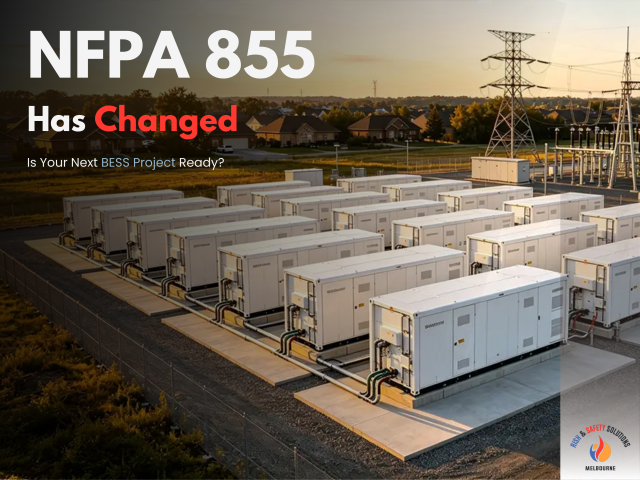
NFPA 855 (2026 Edition): Key Changes for Battery Energy Storage System (BESS) Projects
Battery Energy Storage Systems (BESS) continue to grow rapidly across utility, commercial, industrial, and critical infrastructure sectors. As project sizes increase and lithium-ion battery technology evolves, regulators and fire authorities are placing greater emphasis on fire safety, emergency response capability, and hazard mitigation.
The release of the 2026 edition of
Read More
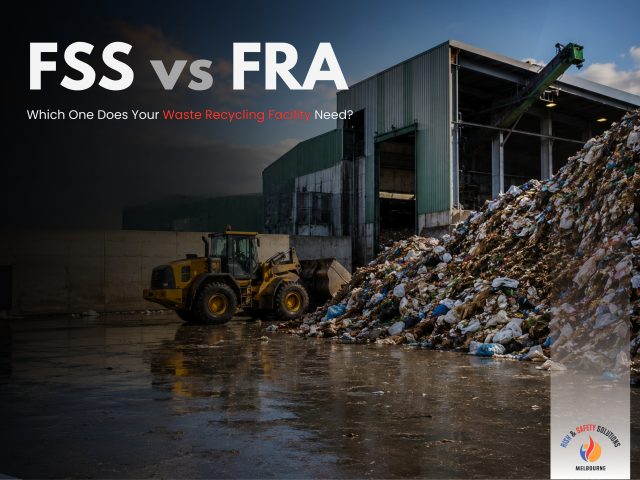
Fire Safety Study vs Fire Risk Assessment for Waste Recycling Facilities
Waste recycling facilities are facing increasing regulatory and emergency service scrutiny due to the growing frequency and complexity of fire incidents across the sector. As a result, many operators and developers are being required to undertake a Fire Safety Study (FSS), a Fire Risk Assessment (FRA), or both, to demonstrate...
Read More
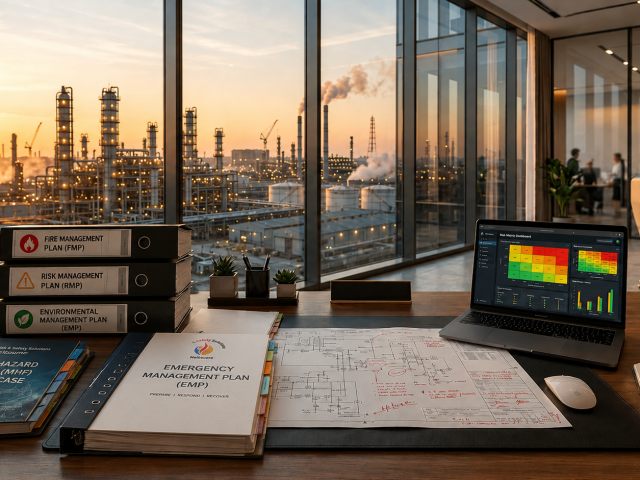
Management Plans Required for Hazardous Developments in Australian Jurisdiction
Large-scale developments involving Dangerous Goods (DG), hazardous materials, battery energy storage facility (BESS), waste recycling facilities and potentially offensive industries are subject to increasing scrutiny from planning authorities, regulators, and emergency services.
When a project involves hazardous materials or dangerous goods, regulatory authorities require specific safety management plans before granting final...
Read More
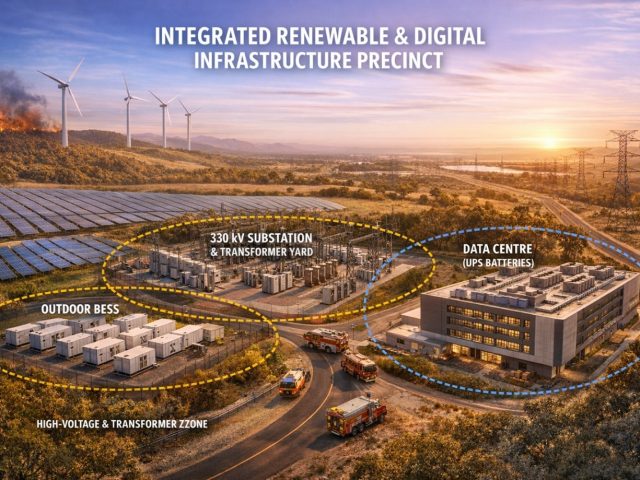
Integrated BESS, Wind, Solar and Data Center Project
Across Australia, large-scale renewable and digital infrastructure developments are increasingly being delivered as integrated precincts rather than standalone assets. These developments commonly combine utility-scale solar or wind generation, Battery Energy Storage Systems (BESS), high-voltage substations, data centres, and backup generation supported by diesel and other Dangerous Goods (DG).
While this integrated...
Read More
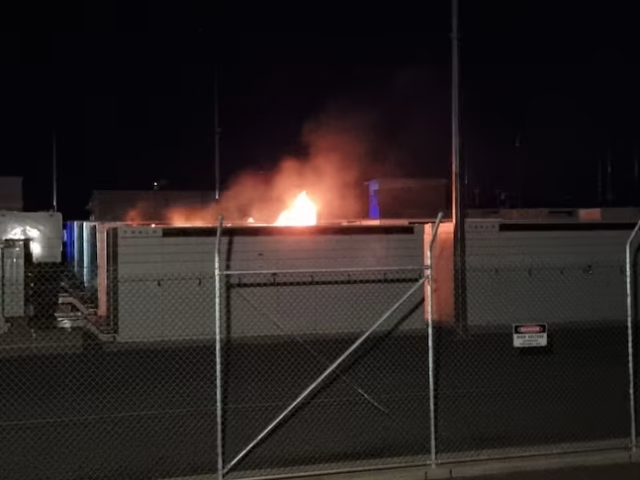
Fire Protection for a Lithium-Ion Battery Warehouse
Fire protection design for a Lithium-Ion battery warehouse requires enhanced sprinkler systems, hydrant capacity, thermal runaway detection, and performance-based fire risk assessment (FRA), Special Hazard Report (A2G2 of NCC) or a fire safety study (FSS), that aligns with local Australian and international recognised standards and guidelines such as
Read More
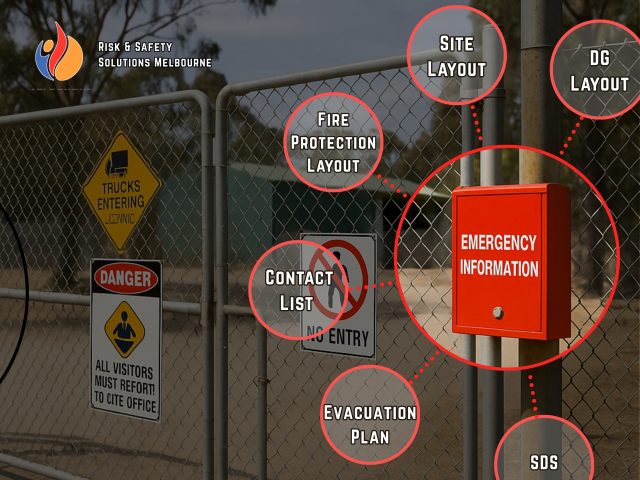
Emergency Information Book (EIB) and Emergency Services Information Package (ESIP)
When a fire truck pulls up to your site, firefighters have minutes — sometimes seconds — to assess the risks, locate hazards, and respond safely. They don't have time to guess what's stored inside, how to isolate power, or where dangerous goods are kept. That's why emergency site documentation like...
Read More
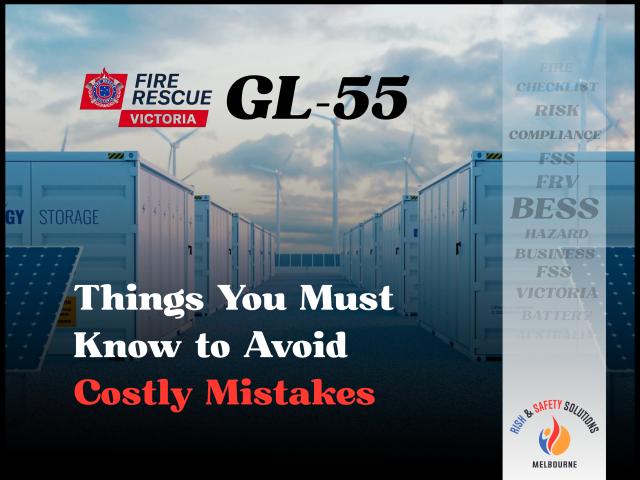
Understanding Fire Rescue Victoria (FRV) Fire Safety Guideline GL-55 for Battery Energy Storage Systems (BESS)
FRV fire safety guideline “GL-55: Battery Energy Storage Facility” - What You Need to Know About BESS Fire Safety and Compliance Requirement in Victoria?
With the rise of renewable energy projects across Victoria, Battery Energy Storage Systems (BESS) are becoming critical infrastructure. But with opportunity comes risk; and regulators are stepping...
Read More
WHS Regulation 2025 NSW: Hidden Rules Australian Businesses Must Know
The new WHS Regulation 2025 (NSW) commenced on 22 August 2025(WorkSafe NSW). It keeps the existing structure but adds clearer duties, stronger enforcement, and new specific requirements (psychosocial risk control, silica registers, lithium-ion storage rules, revised demolition licensing). This article breaks down the key changes and gives a practical...
Read More