Fire Safety Study vs Fire Risk Assessment for Waste Recycling Facilities
Waste recycling facilities are facing increasing regulatory and emergency service scrutiny due to the growing frequency and complexity of fire incidents across the sector. As a result, many operators and developers are being required to undertake a Fire Safety Study (FSS), a Fire Risk Assessment (FRA), or both, to demonstrate...
Read More
Understanding Fire Rescue Victoria (FRV) Fire Safety Guideline GL-55 for Battery Energy Storage Systems (BESS)
FRV fire safety guideline “GL-55: Battery Energy Storage Facility” - What You Need to Know About BESS Fire Safety and Compliance Requirement in Victoria?
With the rise of renewable energy projects across Victoria, Battery Energy Storage Systems (BESS) are becoming critical infrastructure. But with opportunity comes risk; and regulators are stepping...
Read More
What are Legislative Obligations for storage of Lithium-Ion Battery in Various Australian States and Territories?
Lithium-ion batteries (LiBs) are classified as Class 9 Dangerous Goods (DG) under the Australian Dangerous Goods Code (ADGC), with the UN number UN 3480 when stored as standalone units. Under the Globally Harmonised System (GHS) of classification, LiBs are identified as hazardous chemicals, primarily due to their fire, thermal runaway,...
Read More

Navigating Lithium-Ion Battery Projects: Why You Need Expert Risk and Safety Advice from Day One
As Australia's energy storage sector expands, more businesses such as from logistics operators to solar battery installers, are entering the lithium-ion battery (LIB) space. While these batteries offer immense benefits, they also present significant fire safety, regulatory, and environmental risks. Whether you're at the concept stage of a Battery Energy...
Read More

Consequence analysis for a BESS Project – The secret to a successful Fire Safety Study (FSS) and Preliminary Hazard Analysis (PHA).
Battery Energy Storage Systems (BESS) facilities are rapidly expanding in Australian energy landscape. There are 100s of BESS facilities bult and 1000s in the pipeline. BESS unique fire hazards and potential consequences require thorough risk assessments, including Fire Safety Studies (FSS) and Preliminary Hazard Analysis (PHA). One of the key...
Read More

Essential Guide to Preliminary Hazard Analysis (PHA): Safeguarding Your Project's Success.
A Preliminary Hazard Analysis (PHA) is a critical component of risk assessment, particularly for facilities handling hazardous materials. This blog will explore the key questions surrounding PHAs, providing insight into when and how they are conducted and their role in safety and regulatory compliance.
Read More
1 What is a Preliminary Hazard...
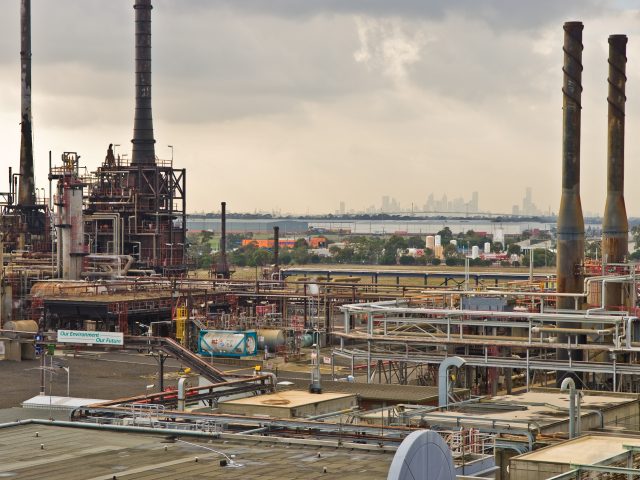
Conducting a Fire Safety Study (FSS): Meeting Regulatory Requirements
Fire safety is a critical aspect of any industrial or hazardous site operation. Fire Brigade throughout Australia, e.g. Fire Rescue Victoria (FRV), Fire and Rescue NSW (FRNSW) emphasizes the importance of conducting a Fire Safety Study (FSS) to ascertain compliance with regulatory requirements and enhance the safety of personnel, the...
Read More